
Visit Tanzania! We'd love you to join us on our journey of expansion. Learn more
WONDERS OF AFRICA
LUXURY AFRICAN SAFARIS
We have selected
THE BEST MOUNTAIN
Climbing safaris
East Africa's diverse landscapes and natural beauty make it an ideal place for adventure seekers. Besides the well-known mountains, the region has many other trekking spots in its national parks and reserves. In Tanzania, the Ngorongoro Crater offers a unique trekking experience with its rich wildlife and beautiful scenery. In Rwanda, you can trek through the lush forests of Volcanoes National Park to see endangered mountain gorillas. Whether you're climbing high mountains or exploring green valleys, East Africa offers stunning views, rich wildlife, and unforgettable experiences for trekkers and climbers

East Africa is a great place for climbing and trekking, offering something for everyone, from beginners to experienced adventurers. The region is famous for Mount Kilimanjaro in Tanzania, the highest peak in Africa, which draws trekkers from all over the world. Kilimanjaro has several routes like Marangu, Machame, and Lemosho, each offering different challenges and beautiful scenery. As you climb, you’ll pass through rainforests, alpine meadows, and rocky landscapes before reaching the snowy summit.
Tanzania also has Mount Meru, a lesser-known but challenging climb with stunning views of Arusha National Park and Kilimanjaro. It's a great trek for those looking to acclimatize before tackling Kilimanjaro.
In Kenya, Mount Kenya is another top spot for climbers. This extinct volcano has routes like Sirimon, Chogoria, and Naro Moru, each with its own unique landscapes, from bamboo forests to glaciers. While the highest peaks, Batian and Nelion, require technical climbing, Point Lenana offers a less difficult but still rewarding hike. Along the way, climbers can enjoy the diverse plant and animal life, making it a must-visit for nature lovers and adventure seekers.
Whether you're climbing mountains or exploring valleys, East Africa offers breathtaking views, rich biodiversity, and unforgettable experiences.
Climbing Mount Kilimanjaro
Mount Kilimanjaro, Africa’s highest mountain at 5,895 meters (19,341 feet), is a popular destination for climbers and adventurers worldwide. Located in Tanzania, this impressive mountain is part of Kilimanjaro National Park, a UNESCO World Heritage site known for its diverse ecosystems and stunning scenery. Unlike many other tall mountains, Kilimanjaro doesn’t require technical climbing skills, making it accessible to many hikers. However, the high elevation means climbers must be ready to face challenges like altitude sickness and changing weather.
There are several well-known routes to reach the summit, each offering a unique experience. The Marangu Route, often called the “Coca-Cola” route, is the most popular because of its hut accommodations and easier gradient. The Machame Route, known as the “Whiskey” route, offers a more challenging and scenic trek through different terrains, from lush rainforests to alpine deserts. Other routes include the Lemosho Route, known for its remote and scenic path, and the Rongai Route, which comes from the north and is less crowded. Each route takes between 5 to 9 days to complete, with longer routes giving climbers more time to acclimatize and increasing their chances of reaching the summit.
The best times to climb Kilimanjaro are during the dry seasons, from January to March and June to October, when the weather is more stable and the skies are clearer. Climbing during these times makes the experience more enjoyable, with beautiful sunrises and panoramic views at the summit, Uhuru Peak. Although the climb doesn’t require technical skills, proper preparation, physical fitness, and acclimatization are essential for a successful ascent. The journey to the top is not just a physical challenge but also a rewarding adventure, allowing climbers to explore one of the world’s most diverse and beautiful landscapes and experience the thrill of standing on the “Roof of Africa.”
Climbing Mount Meru
Mount Meru, at 4,562 meters (14,968 feet), is Tanzania’s second-highest peak, located in Arusha National Park. While often overshadowed by the more famous Mount Kilimanjaro, Meru offers a unique and rewarding climbing experience. The trek typically takes 3-4 days, making it a great way to acclimatize before attempting Kilimanjaro. Along the way, you'll pass through different landscapes, from lush rainforests to alpine meadows, finally reaching a dramatic volcanic crater.
The main route to the summit is the Momella Route, which starts in the grasslands of Arusha National Park. As you climb, you’ll move through diverse ecosystems, encountering wildlife like giraffes, buffaloes, and elephants. The trail goes through montane forests filled with birds, then up to open moorlands, and eventually to the rocky slopes leading to the summit. One of the trek’s highlights is the early morning climb to Socialist Peak, where you can watch the sunrise over Kilimanjaro.
Climbing Mount Meru is physically demanding, with steep ascents and some scrambling near the top. But the effort is well worth it, offering stunning panoramic views, especially of Kilimanjaro, and the chance to walk along the edge of Meru’s crater. The trail is less crowded than Kilimanjaro's routes, giving you a more peaceful and intimate connection with the mountain.
The best times to climb are during the dry seasons, from June to October and December to February, when the weather is more stable, and the skies are clear. Overall, climbing Mount Meru is an unforgettable adventure, filled with natural beauty and diverse landscapes, perfect for those seeking a challenging and scenic trek in Tanzania.
Climbing Mount Kenya
Mount Kenya is Africa's second-highest mountain, standing at 5,199 meters (17,057 feet). Located in central Kenya, about 150 kilometers northeast of Nairobi, it’s a key feature of the Kenyan landscape and is part of Mount Kenya National Park, a UNESCO World Heritage Site. The mountain, an extinct volcano, has rugged peaks, glaciers, and various ecosystems that range from tropical rainforest at the base to alpine moorlands and rocky peaks at higher altitudes.
There are several trekking and climbing routes on Mount Kenya, each offering unique experiences and stunning views. The Sirimon Route, which comes in from the northwest, is considered the easiest and most scenic, with gradual climbs and beautiful landscapes. The Naro Moru Route is the most popular and shortest but has a steeper ascent, making it more challenging. The Chogoria Route is known for its spectacular scenery, taking climbers through lush forests, past waterfalls, and along stunning valleys. For those seeking a tougher challenge, the technical climbing routes to the highest peaks, Batian and Nelion, require advanced climbing skills and equipment.
Most climbers aim for Point Lenana, which stands at 4,985 meters (16,355 feet) and can be reached without technical climbing. The trek to Point Lenana offers panoramic views of the surrounding landscape, including distant savannahs and, on clear days, even Mount Kilimanjaro. The mountain’s diverse terrain and climate support a wide variety of plant and animal life, including unique species like the giant lobelia and wildlife such as elephants, buffalo, and various birds.
The best times to climb Mount Kenya are during the dry seasons from January to February and July to October when the weather is more stable, the skies are clearer, and there’s less chance of rain. Whether you’re aiming for Point Lenana or the technical peaks of Batian and Nelion, Mount Kenya offers an unforgettable adventure with its stunning natural beauty and rich ecosystems. Proper preparation, acclimatization, and respect for the mountain’s environment are key to a successful and enjoyable climb.
Popular Mountain Climbing Trips

Mount Kenya Chogoria Route
Would you like to discover the stunning Chogoria traverse on Mount Kenya?
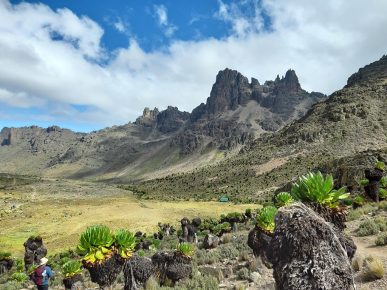
Mt. Kenya Climb Sirimon Route
The most famous climbing routes on Mount Kenya – the Sirimon and the
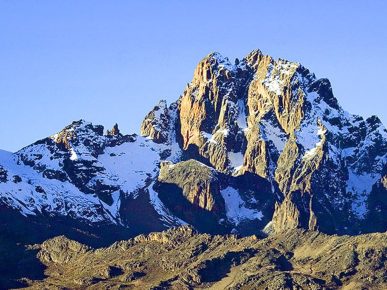
Mount Kenya Naro Moru Route
Mount Kenya, 5,199 m, is the second highest peak in Africa
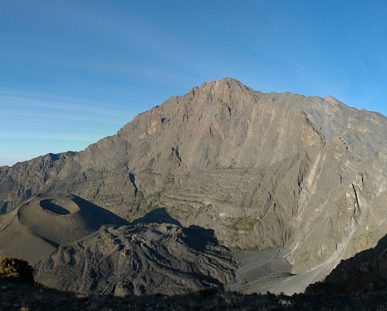
Mount Meru Climb
Mount Meru is the second highest mountain in Tanzania standing 4566 meters (14,979 feet) high
Discover Africa's
ICONIC SAFARI DESTINATIONS
These destinations provide an incredible range of safari experiences, from classic game drives to unique primate encounters, making Africa a premier region for wildlife lovers.
Whether you're after close-up wildlife moments, breathtaking scenery, or rich cultural experiences, our carefully selected safari destinations offer an unforgettable adventure. Come with us to discover the hidden gems of the African wilderness and make memories that will stay with you forever.
Travel Safely with a Trusted Company
African Diurnal is recognized by top international travel organizations like TATO. This means your trip is financially secure, so you can relax and enjoy your journey